
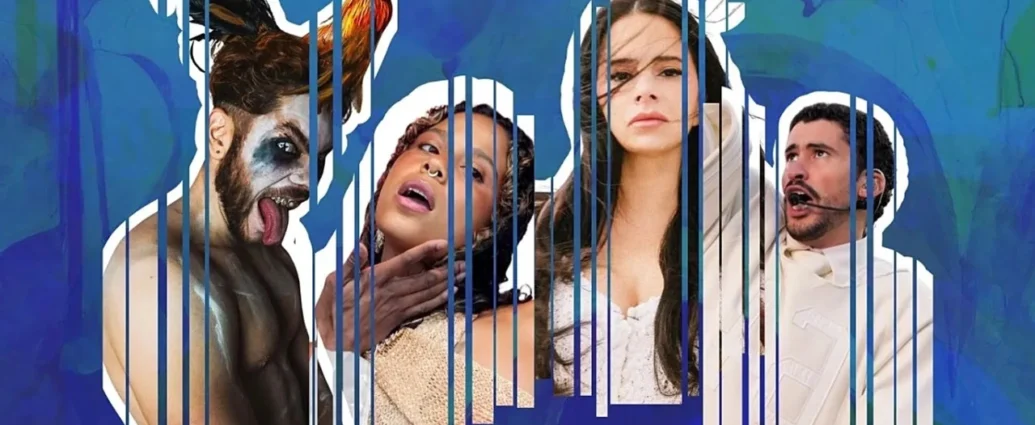
Spanish-language music is no longer confined to a single genre, region, or stereotype. Beyond the headline-grabbing dominance of global stars like Rosalía and Bad Bunny, an entire generation of artists and listeners is pushing the boundaries of what music in Spanish can represent.
Now firmly into the first quarter of the 21st century, the scale, diversity, and creative ambition of Hispanic music feel almost limitless. While mainstream charts often spotlight a handful of familiar names, the broader ecosystem is expanding rapidly — energized by a global audience of more than 635 million Spanish speakers and countless more who connect with its rhythm and emotion.
Even before record-breaking streaming milestones from recent blockbuster albums, the transformation was already underway. Across electronic, neo-folk, alternative pop, regional fusion, and experimental sounds, Spanish-language artists are carving out new identities that transcend the traditional “Latin music” label.
Beyond a Single Definition
The concept of “Latin music” has historically been fluid. At the beginning of the 20th century, it meant habanera or tango. Over decades, it evolved to include salsa, bolero, reggaeton, and Latin pop. Today, the term struggles to contain the sheer diversity emerging from Spain, Latin America, and Hispanic communities worldwide.
From Berlin-based electronic producers to Appalachian-inspired neo-folk fusion rooted in immigrant heritage, artists are blending local traditions with global influences. The result is not one sound, but many — shaped by migration, technology, and cultural exchange.
Musicologist Eduardo Viñuela of the University of Oviedo notes that rhythms constantly evolve, merge, and respond to global trends. Spanish-language music now operates as an umbrella encompassing distinct regional identities, each contributing something unique to the broader cultural narrative.
Data Signals a Cultural Shift
The numbers suggest this isn’t just hype. In the United States — the world’s largest entertainment market and the second-largest Spanish-speaking country — Spanish-language streams are nearing parity with historically dominant genres.
Research from cultural data firms shows that roughly one quarter of charting songs on platforms like Spotify and YouTube are in Spanish. While English still leads globally, Spanish significantly outperforms other major world languages in streaming representation.
Consumption patterns also reflect demographic and economic shifts. The Latino community in the U.S. continues to expand its cultural influence and purchasing power, fueling greater investment in music, festivals, and digital platforms.
At the same time, identity plays a critical role. Second- and third-generation immigrants are increasingly embracing Spanish-language culture as a way to articulate heritage and pride. Artists today no longer neutralize their accents or slang; instead, regional expression is celebrated as authenticity.
From Miami Sound to Multi-Center Movements
In the late 1990s and early 2000s, the so-called “Miami sound” — propelled by Latin pop stars and major-label infrastructure — helped internationalize Spanish-language music. The Latin Grammys and MTV Latino institutionalized its presence.
The next major turning point came in 2017, when global streaming hits signaled a second Latin boom. Since then, reggaeton, trap, Norteño, corrido tumbado, indie pop, and experimental electronic music have diversified the landscape further.
Unlike the earlier era, today’s movement is not concentrated in one city. Instead, multiple cultural hubs — from Madrid and Barcelona to Mexico City, Bogotá, San Juan, and diaspora communities across the U.S. and Europe — are shaping distinct waves simultaneously.
The stereotype that Spanish music equals only urban Latin rhythms has largely dissolved. Spanish-language lyrics now appear in alternative rock, art pop, indie folk, and avant-garde electronic productions. Even artists outside Hispanic heritage experiment with Spanish as a creative medium.
Cultural Momentum or Passing Phase?
Whether this moment becomes a permanent shift or another cycle in global pop history remains to be seen. But certain songs and movements have already etched themselves into collective memory.
Spanish-language music today represents more than commercial growth. It reflects evolving identities, hybrid cultures, and the confidence of artists who refuse to be boxed into a single label.
Rather than existing under one umbrella, it is branching into many skies — redefining its own boundaries along the way.